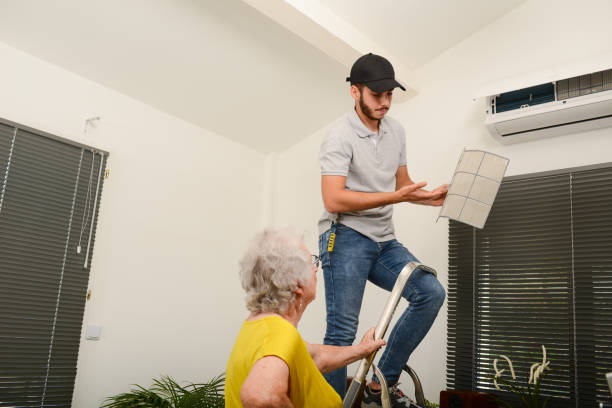
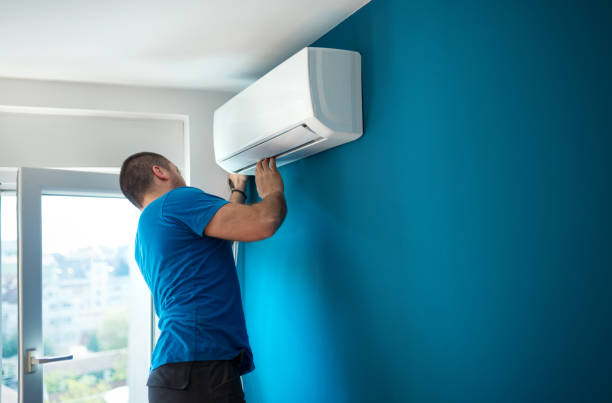
Architecting premium thermal remediation pathways across commercial, residential, and multi-tenant sectors inside NY 10954.
Crestwood Point Group stands as a premier mechanical firm specialized in resolving major cooling infrastructure failures, airflow imbalances, and variable refrigerant cycle stress. We recognize that an unexpected central cooling outage during high thermal conditions impacts more than basic lifestyle metrics—it threatens business uptime within corporate structures, compromises data server room baselines, and degrades building safety standards.
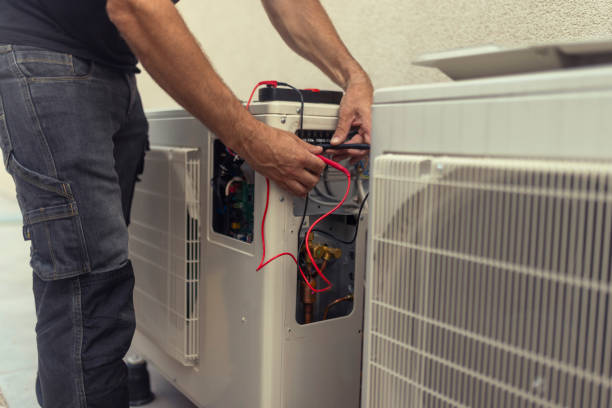
Our response protocols are built upon strict mechanical assessment models paired with instantaneous field deployment. Our fully equipped service trucks carry specialized equipment to test compressor pressure loads, evaluate electrical safety constraints, and isolate chemical leaks to guarantee that your ventilation framework operates efficiently.
Whether you require emergency fan motor replacements, chemical coil treatment routines, or complete electronic thermostat link updates, our teams execute every single assignment with total transparency and strict structural verification.
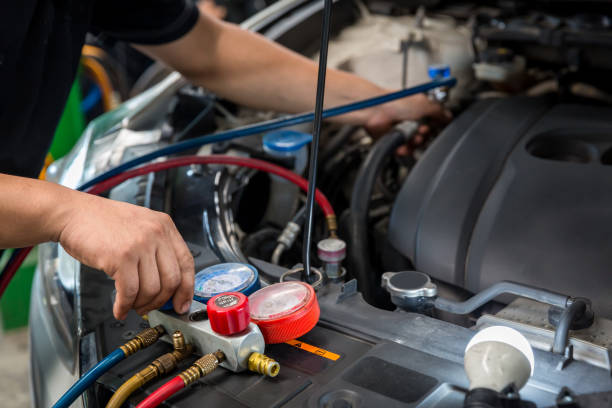
Exhaustive hardware testing, electrical fault diagnosis, and eco-efficient re-calibrations tailored for structural longevity.
Our emergency restoration mechanics operate around the clock to correct sudden control circuit faults, major blower overloads, and complete system shut-downs, restoring optimal climate control quickly.
Low fluid levels trigger evaporator drop-outs and raise power consumption. We use specialized electronic equipment to pinpoint line fractures, apply silver-brazed seals, and restore factory pressure metrics.
The compressor acts as the core power unit of your thermodynamic cycle. Our technical field staff test electrical winding degradation, replace worn starting capacitors, and manage full hardware drop-ins safely.
Layered dirt particles insulate important heat-exchange surfaces, driving up your power bills. We provide comprehensive chemical wash treatments and vacuum out condensate drainage pipes to eliminate water hazards.
Miscalibrated sensors and loose low-voltage wire links cause erratic system cycling patterns. We trace electrical schematics and program advanced smart thermostat systems for reliable operation.
Proactive service steps prevent major unexpected breakdown costs. Our preventative checks monitor compressor power draw, verify fluid pressures, and clear internal dirt to maintain consistent performance.
Every service deployment follows an explicit verification process to guarantee consistent performance results across all projects:
Visual overview of our technical specialists managing pressure logs, electrical testing, and full equipment calibrations.
Direct, accurate explanations for common cooling system errors and equipment operational patterns.
Coils freeze up when a significant drop in airflow prevents heat from transferring properly across the cooling surfaces, causing temperatures to dip below freezing. This problem is usually driven by clogged air filters, blocked return ducts, or a leak in the refrigerant lines.
Short-cycling happens when a system shuts off prematurely and restarts frequently. This behavior can point to an oversized system, faulty low-voltage control circuits, or restricted airflow pathways. Addressing this pattern early helps protect your compressor from premature burnout.
Filters should be inspected monthly and replaced every 60 to 90 days under typical operating conditions. Homes with pets, nearby construction, or occupants with respiratory needs may require monthly changes to maintain proper air volume metrics.
Musty smells often come from algae or mold building up inside a blocked condensate drain line or on a damp evaporator coil. Chemically treating and flushing these pathways quickly resolves the odor and improves air quality.